
Japan Recommendations
I recently spent three weeks in Japan on my first trip. I am no expert but here are my recommendations.
Things to Do
Shimanami Kaido
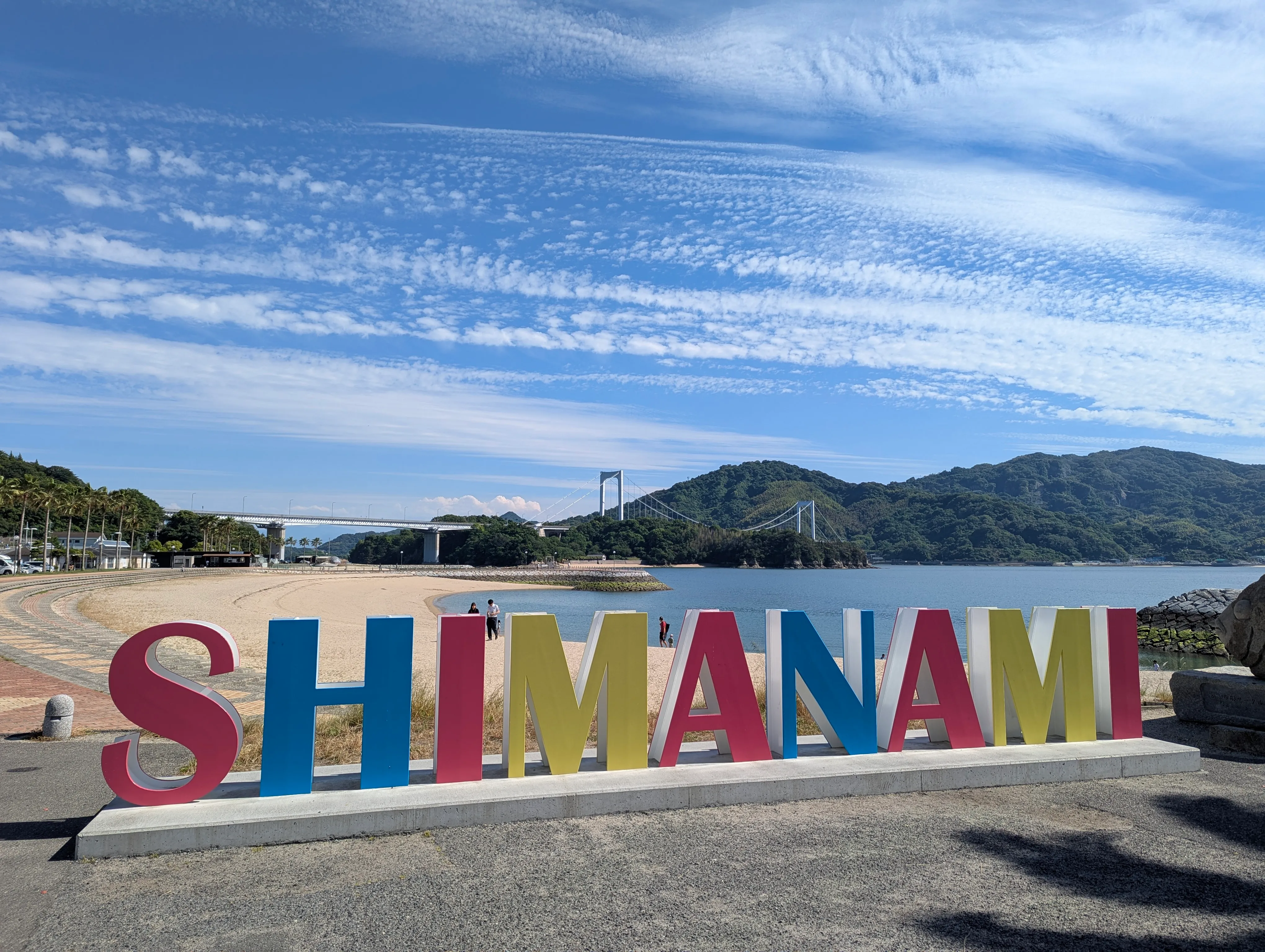
This was the best thing I did by far. Shimanami Kaido is a 70km route including six suspension bridges that hop between beautiful islands in Hiroshima and Ehime prefectures in Southern Japan. Cycling is a very popular way to explore the route. 140km is a long ride, so you can do the ride over multiple days or return your bike at any one of ten shops along the route and take the bus back to town.
The weather was absolutely perfect when I went on May 30th. I rented a pedal-assist bike which had a comfortable seat and riding position, a basket, and battery that can be swapped out at any rental shop. I started in Onomichi around 9:00AM and ended at Hakata Beach, two bridges shy of the end and still with 60% battery remaining. It was an extremely pleasant and joyful ride along these rural islands. I enjoyed watching bridges appear, then diverting from the road to wind up very gradual bike-only paths before crossing the sea. So lovely!
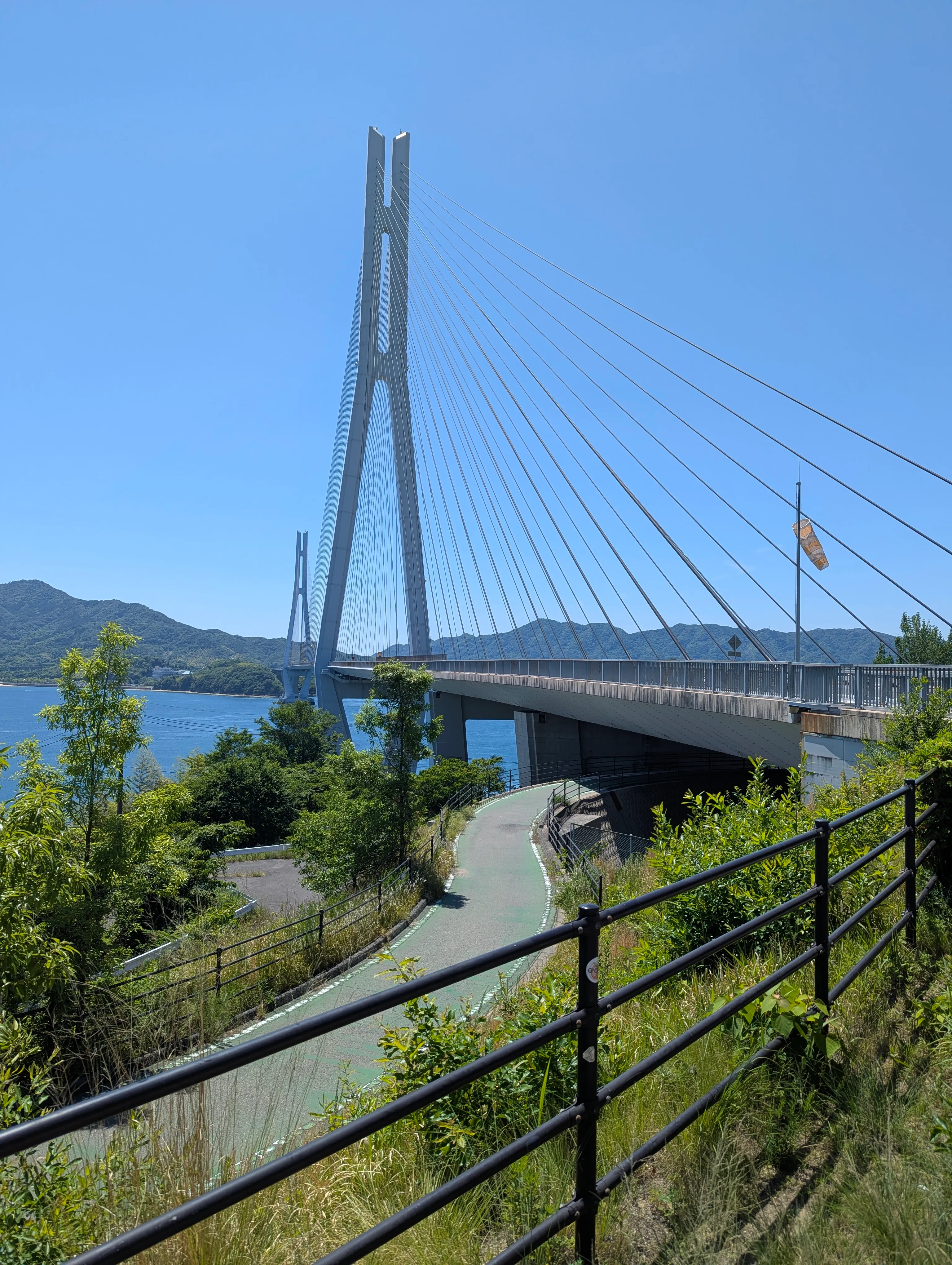
I recommend reserving a bike in advance to skip the line of walk-ins. Reservations must be made on the website at least 4 days in advance, but reserve early to ensure the bike you want is available. You can pick whatever you want as the “Return terminal”; it doesn’t matter.
I thought there would be plenty of places to eat along the way, but options are limited as much of the route is through farmland. You should pick out a couple restaurants that look good to you before you head out, bring your own lunch, or decide which Lawson to stop at for lunch supplies. There are a few beaches along the way. Setoda Sunset Beach in particular has coin lockers and showers, 3x100円 coins each.
Bicycle Tour
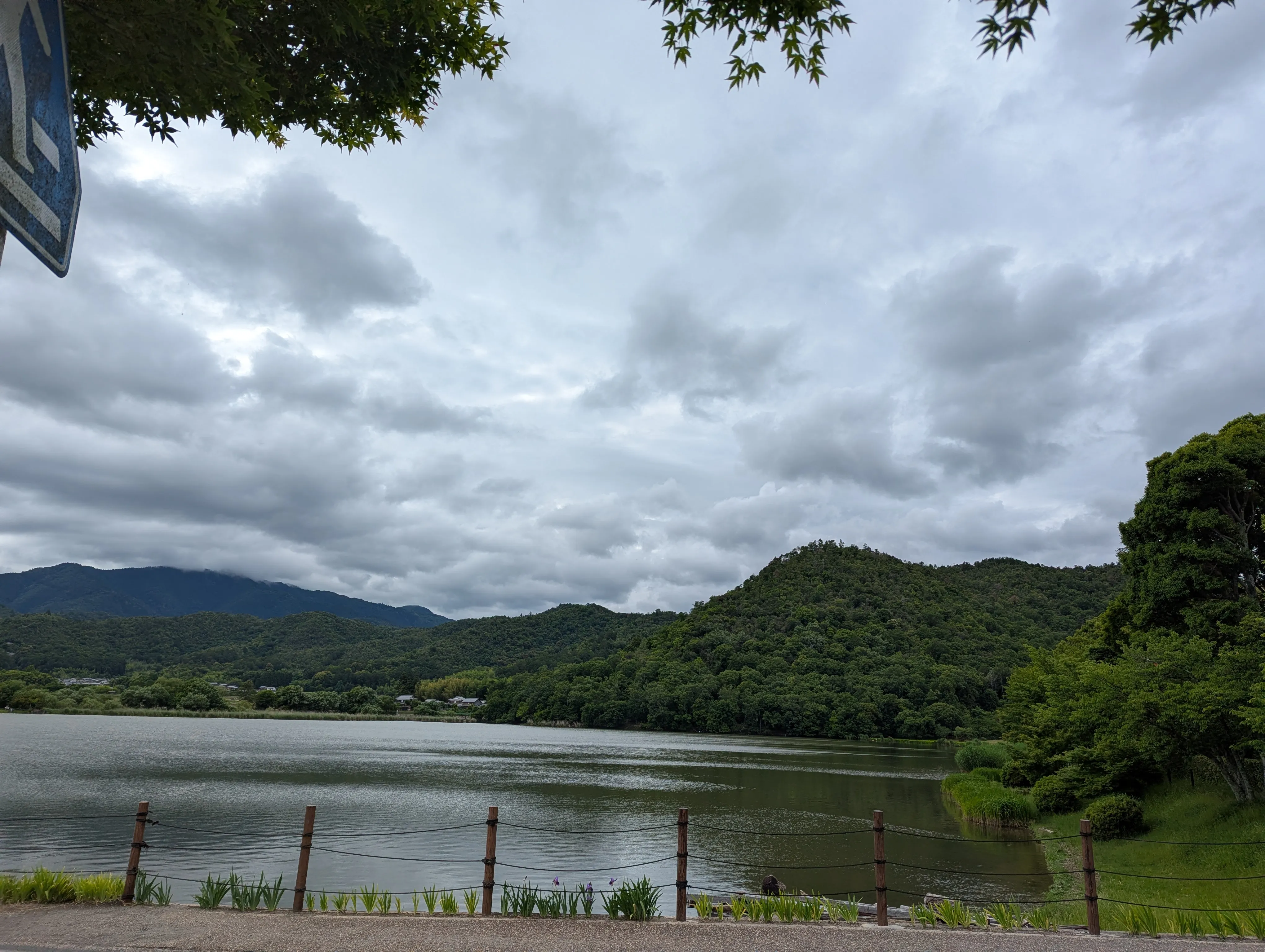
If you find the activity of biking to be enjoyable, do a bike tour! I find that bicycle speed is the perfect middle ground between going slow enough to enjoy the scenery and fast enough that the scenery keeps changing. I had an absolutely amazing time in Kyoto with Noru, specifically “Arashiyama E-Biking”.
Ryokan
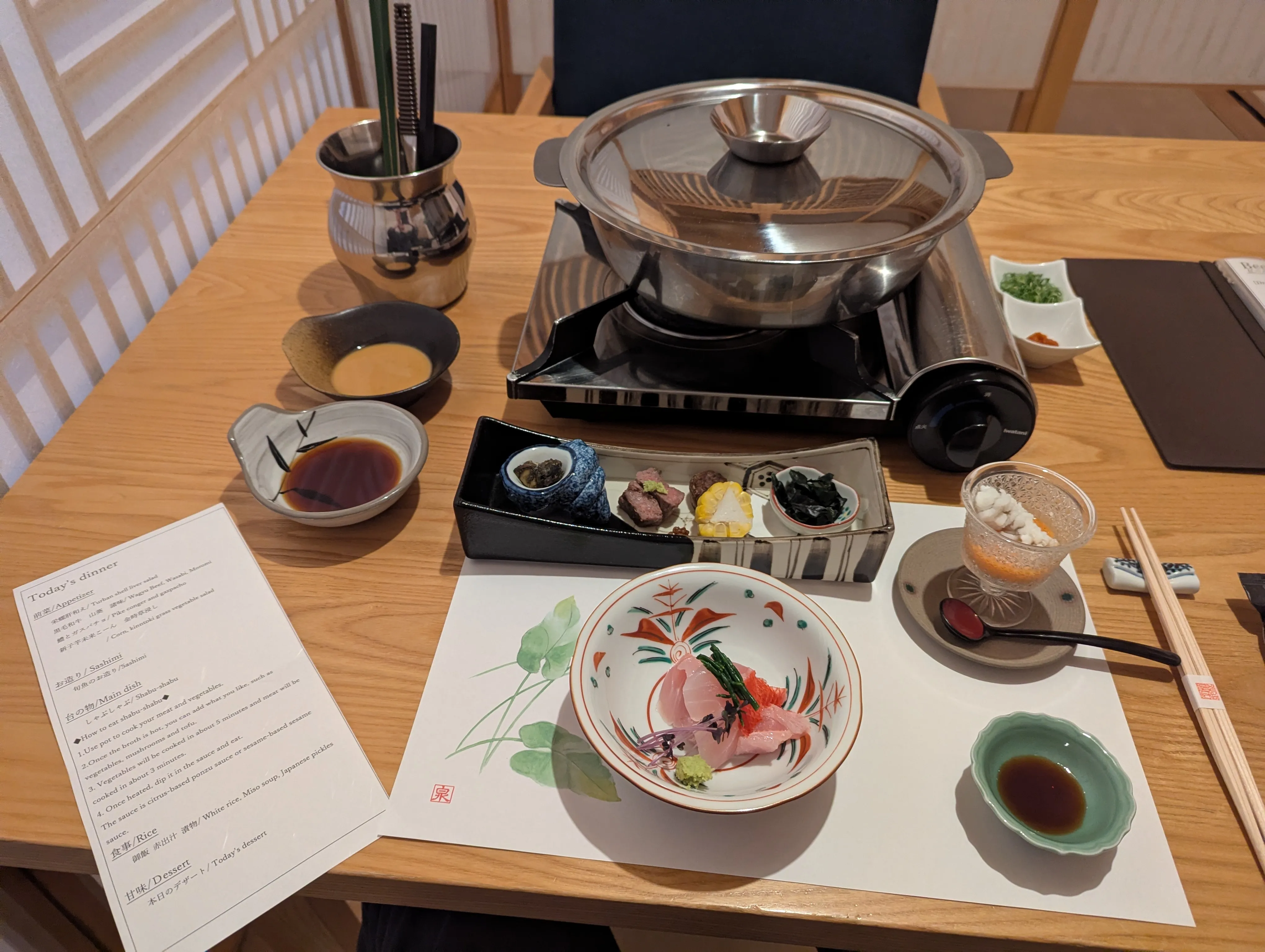
I stayed at a Ryokan (traditional Japanese-style hotel) in Hakone for two nights. It was expensive compared to the rest of the trip, but $850 for two nights, including incredible breakfasts and dinners, private onsen access, a public onsen that nobody used, and incredible service is really not bad at all.
Ship Your Bags
Yamato Transport will pick up your luggage from your hotel and ship it to your next hotel. You just need to pay them! This makes train travel so much easier and less stressful.
Go to the front desk of the hotel, say “I want to Yamato my suitcase” and hand them your phone with the address and dates of the destination hotel. It cost me $20 to ship one suitcase from Tokyo to Kyoto. I made this more cost-effective by skipping an intermediate stop: I took just my backpack to Hakone and met up with my luggage in Kyoto. After Kyoto, I shipped my suitcase back to Tokyo and took a backpack to Himeji and Onomichi.
Stamp Book
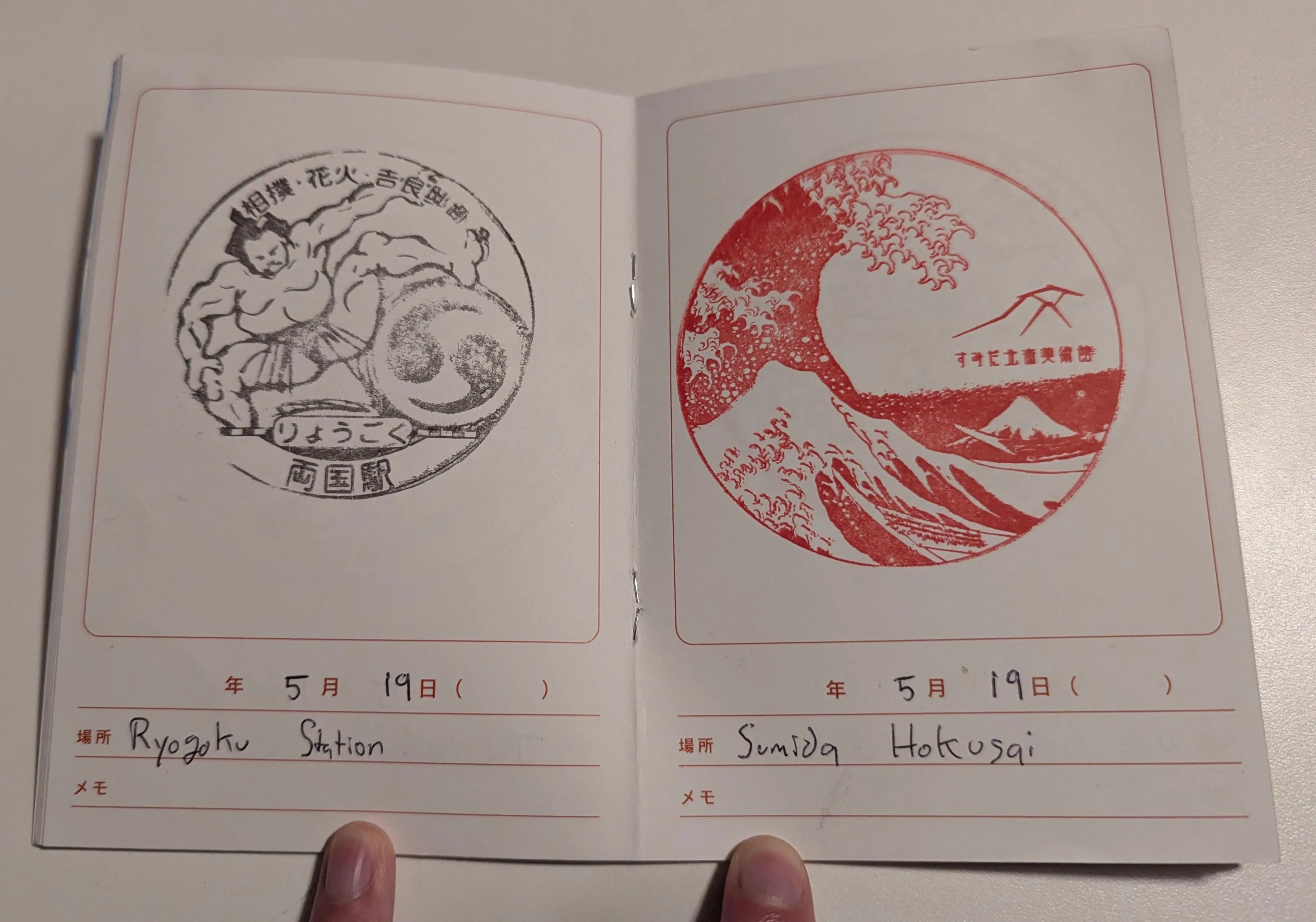
Grab a stamp book and collect stamps from train stations and tourist info offices. There is an app called Stamp Quest () that has the locations on a map along with written details for how to find them. I recommend treating this as a side-quest—usually in a train station you have other things on your mind, and finding each and every stamp is going to be a lot of extra time and walking. But it is fun! Also, consider whether every person in your party really needs their own book or if sharing makes more sense.
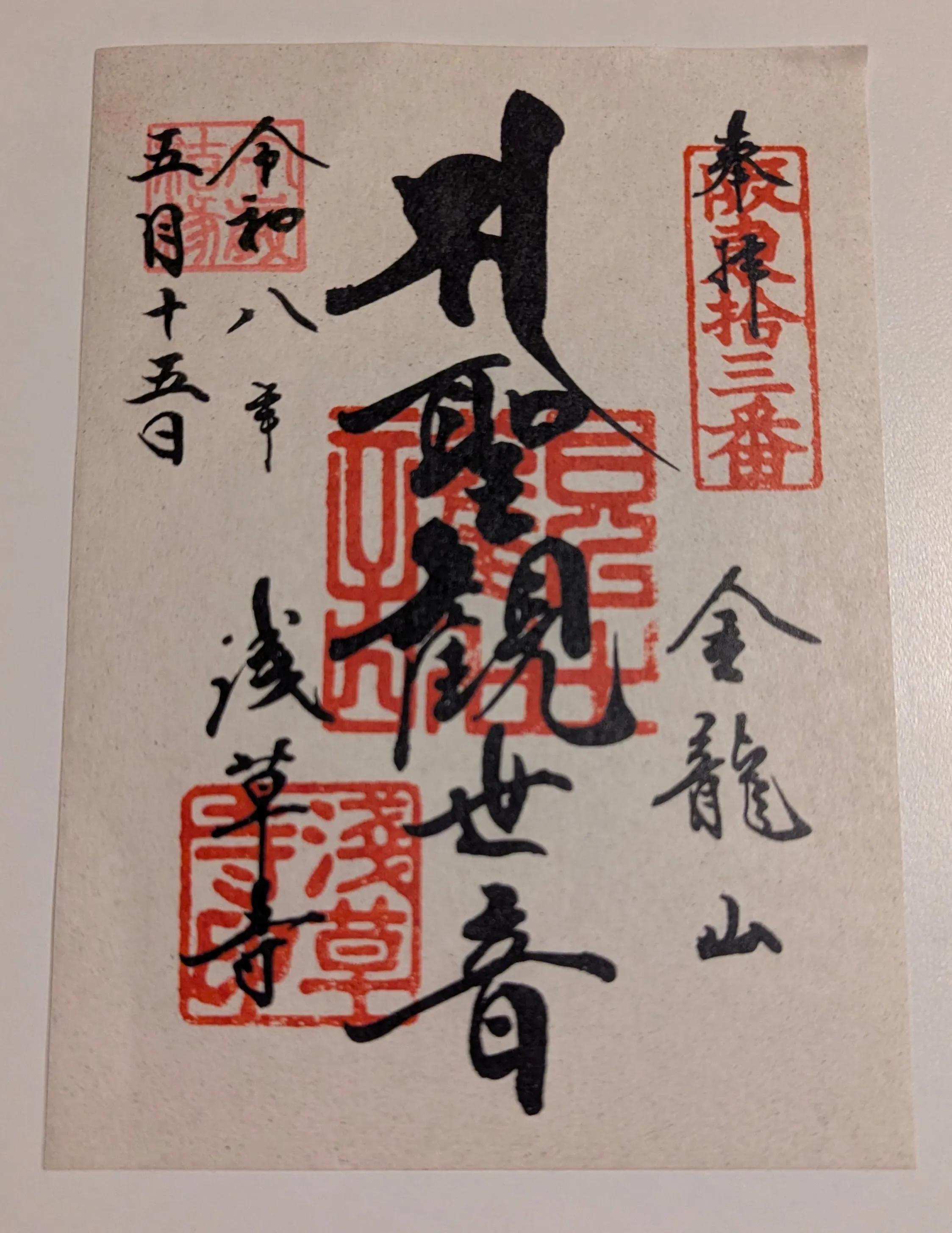
Another collectible is Goshuin, seals written by monks at temples. They won’t write in the kind of stamp book pictured above; you should get an accordion-style book specifically for goshuin. At popular temples I saw people lined up for a long time so be prepared to wait or pass those up.
Trains
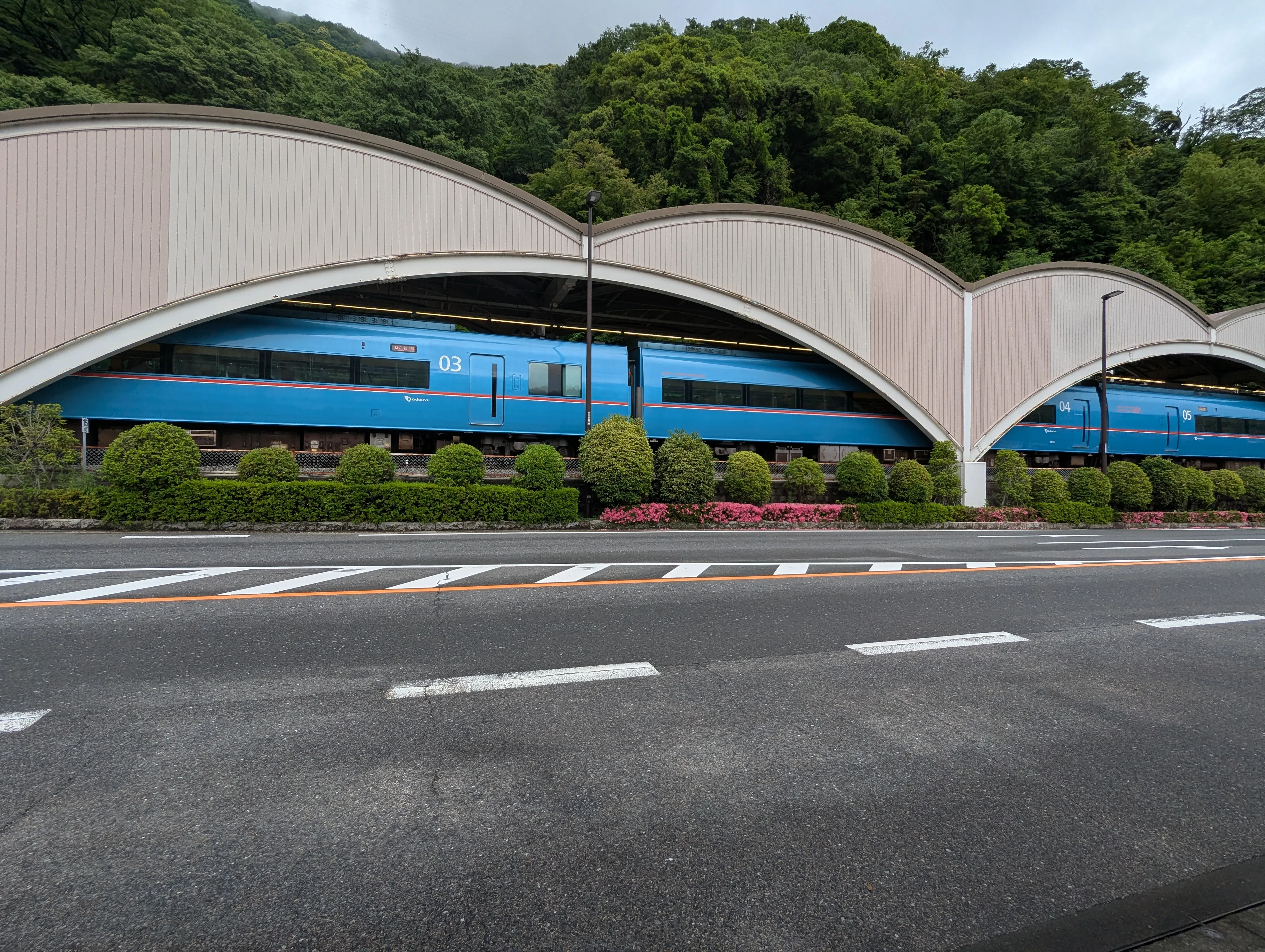
Japan has an incredible rail network, but navigating and paying for rail transit is not always simple. Here are some things to think about when planning your trip.
Navigation
- City Mapper: () Best for Tokyo. Doesn’t work anywhere else at time of writing.
- Google Maps: Works OK but doesn’t include the stop numbers and doesn’t provide a lot of context. For example, it may tell you to take a local train for a few stops and then get off and take the bus, and not mention that you could just take the bus the whole way. But it’s simple and already on your phone.
- Japan Travel by Navitime () Decent but annoying app specifically for Japan transit.
Purchasing Tickets
The Japan Rail (JR) Pass is an option for tourists who will be using a lot of intercity trains. It could simplify your experience but it is not a guaranteed money-saver. Do your research and be aware that it will not cover metro and some surface trains, as they are run by different companies.
I ended up buying individual tickets because that was cheaper for me. I used a combination of Klook (), ticket machines, and talking to a human person at a ticket office. You can also buy tickets on Navitime.
IC Cards
IC cards can be used to tap in/out of train and metro stations, buy drinks at vending machines, and even pay at convenience stores/retail.
For iPhone users, get a digital IC card on your phone.
Android phones not made for the Japanese market do not have the necessary hardware. Instead, your options are:
- Get a regular, physical, Suica card or a physical Pasmo card. You will pay a deposit for it but it can be returned to reclaim the deposit. The benefit of this is you can avoid the line of tourists getting the Welcome Suica at the airport.
- Get a Welcome Suica card. These expire after 28 days, eating all the money left on them. There is no deposit and they maybe look nicer if you want a little souveneir. These can only be recharged with cash, not credit cards.
If you go with a physical IC card, get a Card Reader app. When it’s installed on your phone you can tap your IC card to your phone to check your balance.
Apps You Can Try
Japan Wifi Auto-Connect
This probably-spyware app for Android tracks your location constantly and automatically connects your phone to open wifi networks across the country. It worked fine for me. What possible downsides could there even be?
Apps I heard about but didn’t use
Go () For calling a taxi. I just took the bus.
Tabelog: () Use this to find out what restaurants the locals like, as Google Maps is mostly used by foreigners. Note that Japanese folks tend to actually use the entire five-star scale, so rating may be lower than what you’re used to.
日本語
99% of the time you will be able to get along fine by just pointing at what you want, but in my opinion, part of being a good guest is giving the language the old college try. So here’s my guide to the absolute basics of .
Things You’ll Hear
- Irasshaimase! People in the service industry will say this constantly. It just means “welcome in” and doesn’t require a response. Just smile and nod!
- …Fukuro/Kamibukuro/Rejibukuro… The first thing anyone will say at a store after you hand them something will be this, asking if you want a bag.
They usually cost 3-5¥.
Your response options:
- Dai jobu desu “All good” (no)
- Hai, [onegaishimasu] “Yes, [could I please have]”
- …Tennai…Omochikaeri… For here or to go. Tennai is here, omochikaeri is takeout.
- …Nomimono… If you order food and they start talking Japanese to you, they are probably asking what drink you want. Drinks are sometimes required or come in a “set” (combo) at a cheaper price so that might be why someone is still talking after you said no thanks.
Things You’ll See
- 円 This means Yen, which they call “En”, which means circle. ¥ seems to be used to refer to money in general.
- 6月5日 月 is month and 日 means day and also sun, so 6月5日 is June 5th. And 日曜日 is Sunday. Nice!
- 人 Person
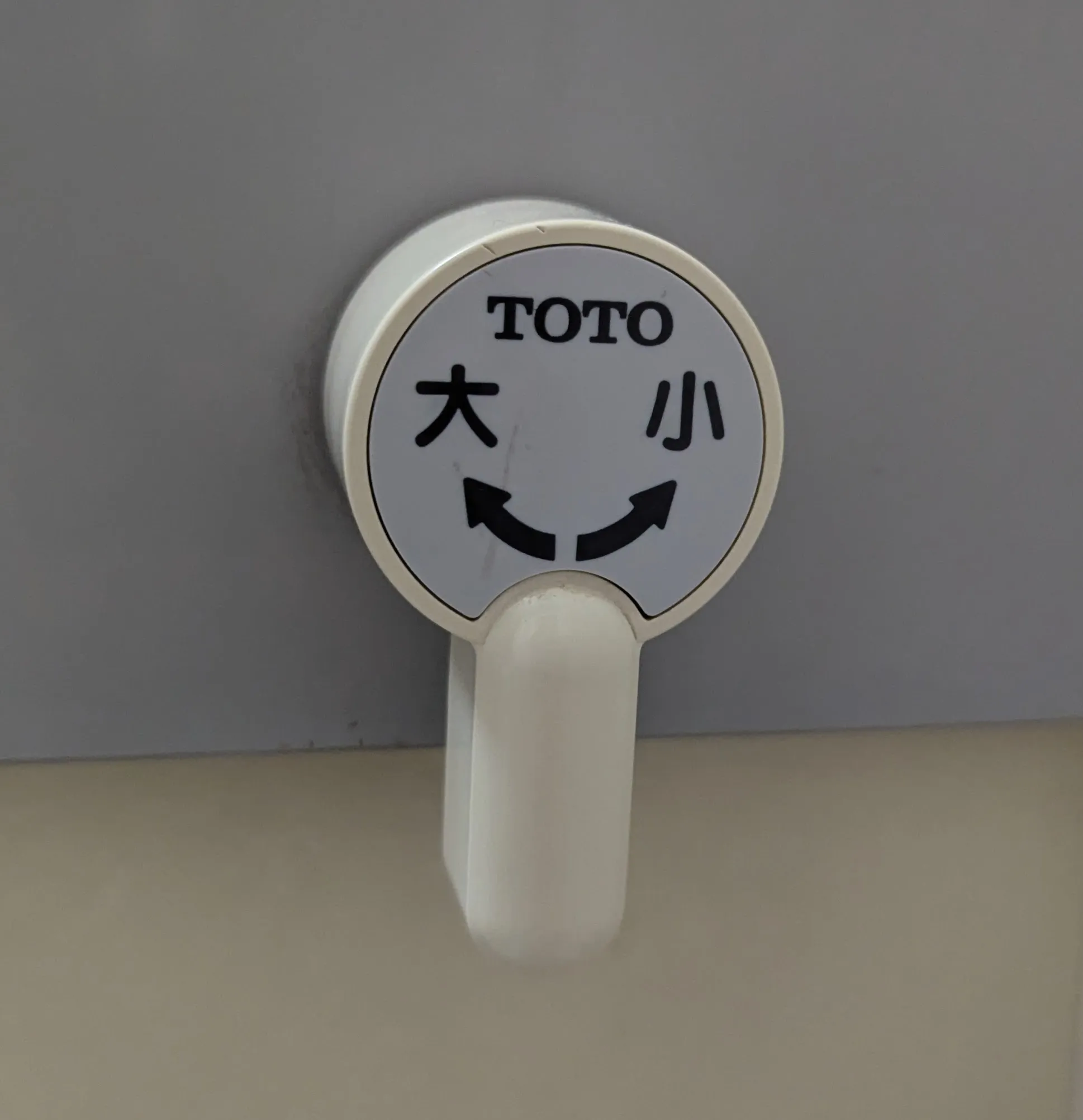
- 大 Big. Said “Dai” when specifying a predefined size.
- 小 Little. Said “Shō” when specifying a predefined size.
- 日本 Japan, “Nihon” or “Nippon”
Now you can tell the difference between adult and child prices, a sign referring to Japanese people, and know which way to flush the toilet after a #1.
Things to Say
I know a lot of Japanese that I did not use. Sadly I didn’t have a good opportunity to ask someone . Here is my curated list of things that you are most likely to want to say, in order.
- Hai Yes
- Iie No
- Daijobu desu All good/polite refusal
- Arigato gozaimasu Thank you
- Sumimasen Excuse me/sorry. This is how you get the attention of staff at a restaurant. Shorten this to a quiet “S’masen” if you’re just squeezing past someone.
- O-mizu Water (for drinking)
- Onegaishimasu May I please have. You will see/hear which is like “please do the thing I just said” but you probably won’t need to say it.
- Kore This
- Toire [wa doko desu ka] [Where is the] toilet?
- Kādo [de] [with/use] (credit) Card
- Genkin [de] [with/use] Cash
- Kon’nichiwa Hello
- Ohayō gozaimasu Good morning
- Konbanwa Good evening
- Dōzo A third way to say “please”! This, with a gesture, can mean “please have my seat” or “please go in front of me”. If someone asks you for something like your passport, you can say “Hai, dozo” if you want.
- Ii Good (say the name of the letter “E”)
- Chotto A little bit… (polite way of saying not good)
Bonus
- Sutanpu [wa doko desu ka] / [wa arimasu ka] [Where is the] / [Is there a] stamp? Since I know that’s all you care about now.
- Iitikimasu / Itterasshai I’m off, be back later / Take care, return safe. This call and response is a common thing to say when leaving the home for the day, and can be started by either side. I think it’s cute and you can use it in your group when splitting up. Or if you’re like me then you’ll say it as a joke when someone’s going to the bathroom.
Reading Japanese
A Japanese High School graduate knows over 2,100 Kanji which represent words, 46 Hiragana, each representing a syllable and used to spell native words, and 46 Katakana, representing the same syllables but used to spell loanwords. So Kanji is a big lift and Hiragana is only useful if you know the words, but if you learn Katakana you will be able to read words like , and .
If you want to give it a shot I recommend Renshuu (). Just know that this will not be super useful, as most of the time the context makes it obvious or the English word will be right next to it.
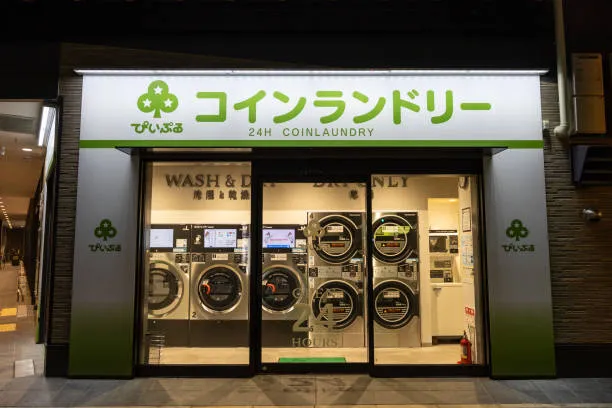
Reading the Japanese on this sign: fun, but not useful. (credit: istockphoto.com)